
Solutions · Organized by outcome, not by product
Buy the outcome, not the box.
Cameras, readers, and panels are commodities. What you're actually buying is a building that is harder to breach, easier to run, and cheaper to keep running. REM structures every engagement around one of six outcomes.
SOL-01 · Secure buildings
Layered protection that works as one system.
Break-ins, propped doors, tailgating, and blind spots rarely trace back to one missing device. They trace back to systems that were never designed to work together.
Unauthorized entry, theft, vandalism, and after-hours incidents at doors, parkades, and perimeters. Cameras that record but don't deter. Alarms that trip but don't inform.
Every incident carries direct loss plus the slow costs: insurance pressure, tenant turnover, staff anxiety, liability exposure, and board or executive scrutiny.
Assess the property, map real movement patterns, then design in layers: perimeter, entry, and interior. Access, video, intrusion, and intercom events correlate in one place so one incident produces one clear timeline.
- Access control and credential management
- Video surveillance and recording
- Intrusion detection and monitoring paths
- Intercoms and emergency phones
- Perimeter detection, bollards, turnstiles, barriers
SOL-02 · Connected buildings
One network, one view, one accountable vendor.
When the access system, cameras, intercoms, and building network were installed by different companies in different decades, nobody can see the whole building. You inherit the gaps.
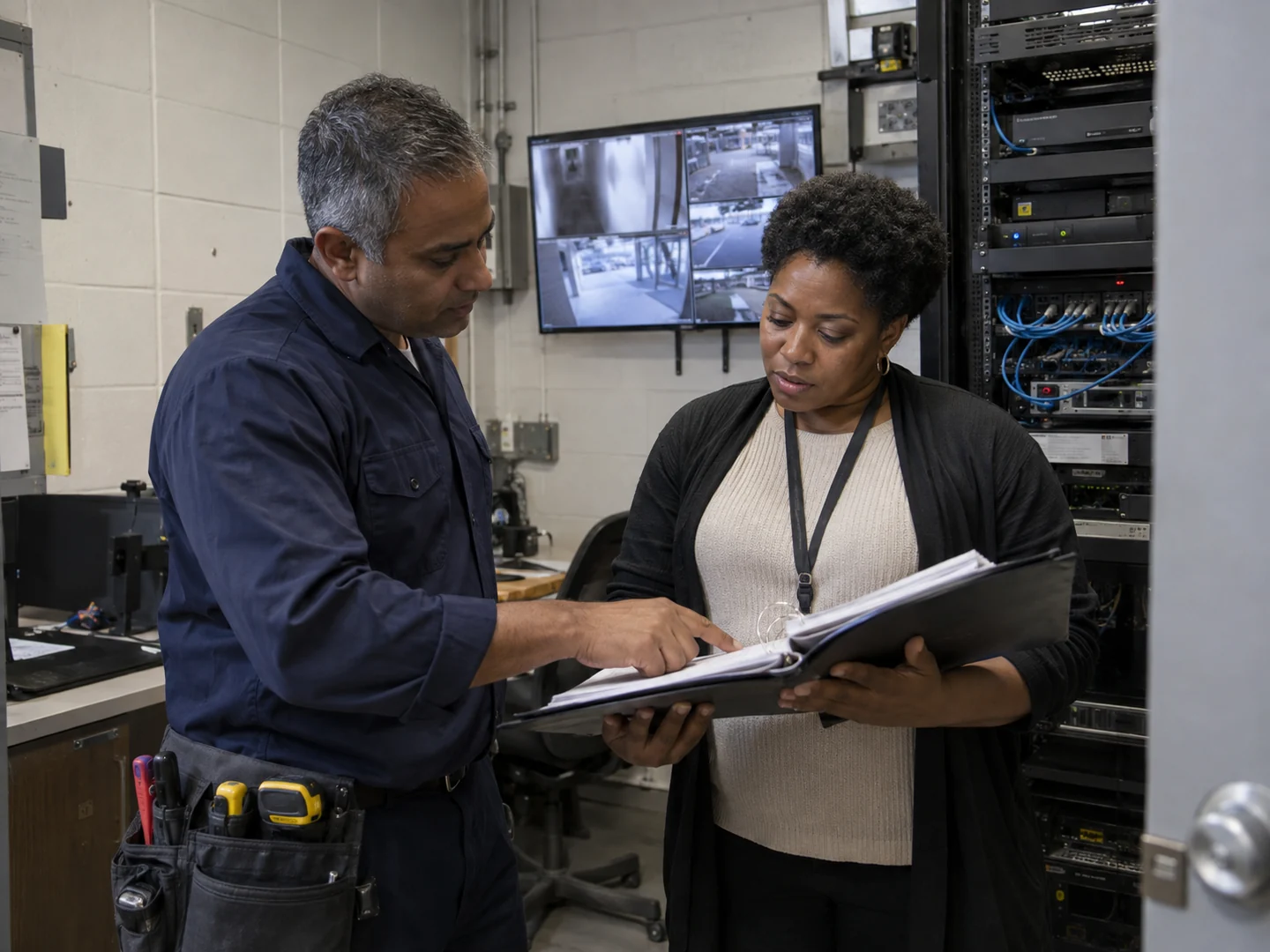
Siloed systems on undocumented networks. Integrations that were promised but never commissioned. Data trapped in five logins.
Slow incident response, duplicated vendor visits, blind spots between systems, and a building your team manages by memory instead of by information.
Design structured cabling and building networks as infrastructure, not an afterthought. Integrate security, life-safety interfaces, and property-management platforms with documented, tested connections.
- Structured cabling and building networks
- System integration and event correlation
- Smart-building platforms and dashboards
- Design/build and engineering support
SOL-03 · Serviceable buildings
The cheapest service call is the one that starts with a document.
A system without as-builts, labels, and records isn't an asset. It's a future emergency with a mounting bill. Serviceability is designed in, or it never exists.
No device schedules, no credentials on file, unlabelled panels, and institutional knowledge that left with the last vendor.
Every outage lasts longer and costs more. You're locked to whoever installed it, at whatever they choose to charge, on their timeline.
Labelled devices, as-built documentation, asset records with locations and firmware, documented credentials handled securely, and cleanup of inherited systems so any qualified technician can service the building.
- Asset and device-location records
- As-built drawings and device schedules
- Planned maintenance and inspections
- Documentation cleanup for inherited systems
SOL-04 · Smart multi-unit buildings
Run a residential tower like a modern operation.
Multi-family buildings carry the highest people-friction: move-ins, deliveries, amenities, parking, and hundreds of daily access events. Smart-building systems turn that friction into managed workflows.
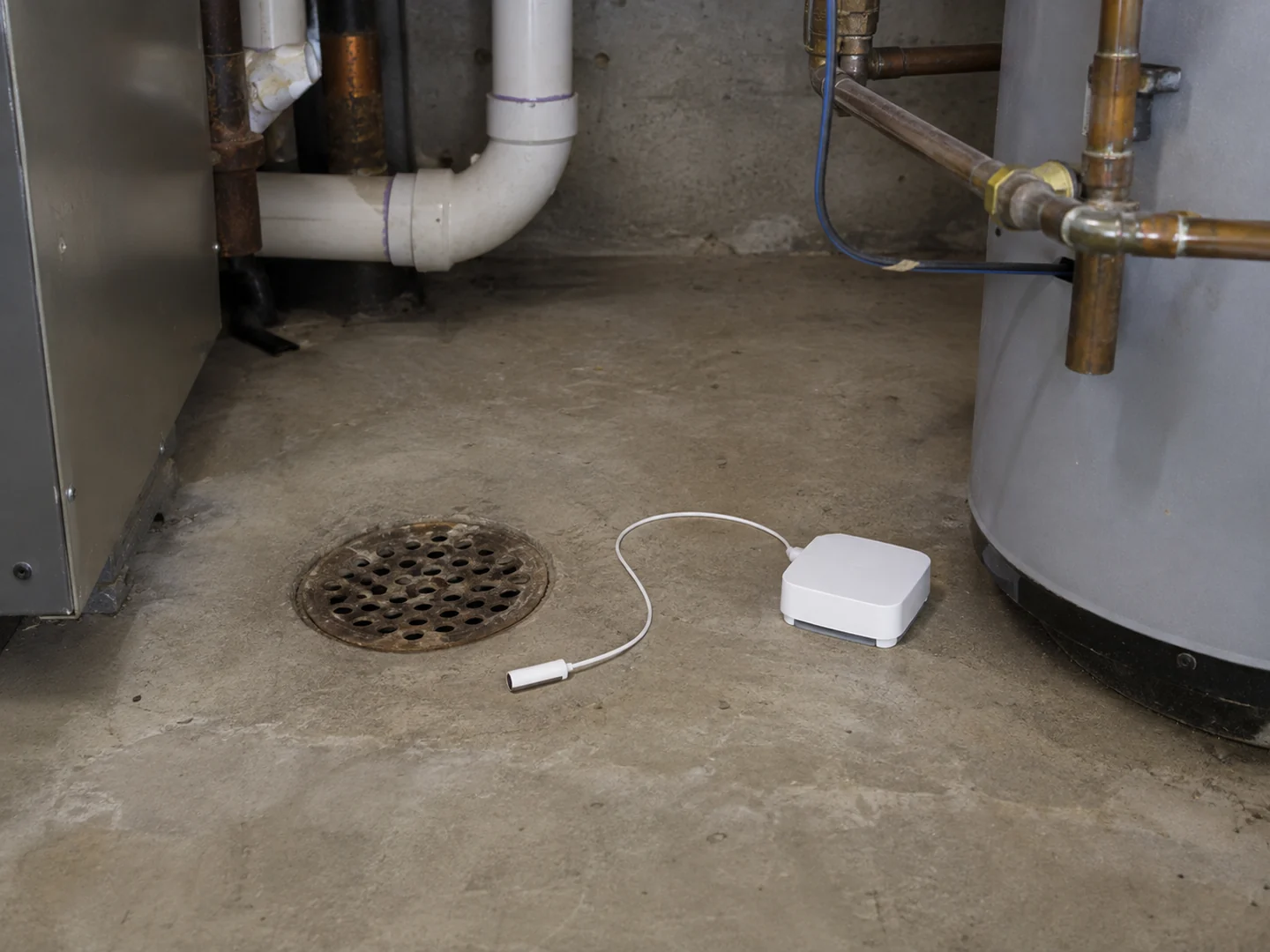
Buzzer complaints, lost fobs, parcel pileups, amenity disputes, water damage discovered too late, and systems that cannot be managed remotely.
Tenant experience drives retention and board satisfaction. Water and access incidents drive the insurance file. Managers burn hours on tasks a system should handle.
Phased smart-building design: mobile and remote access, intercom-to-phone, parcel and amenity control, leak detection, centralized thermostats, system health alerts, and integration with your property-management software.
- Smart building solutions
- System health monitoring and operational alerts
- Video intercoms and mobile credentials
- Leak and environmental sensors, dashboards
SOL-05 · Retrofit & lifecycle planning
Modernize on your budget cycle, not the failure's schedule.
Every system in your building has a quiet end-of-life date. The only question is whether you plan for it or get invoiced for it.
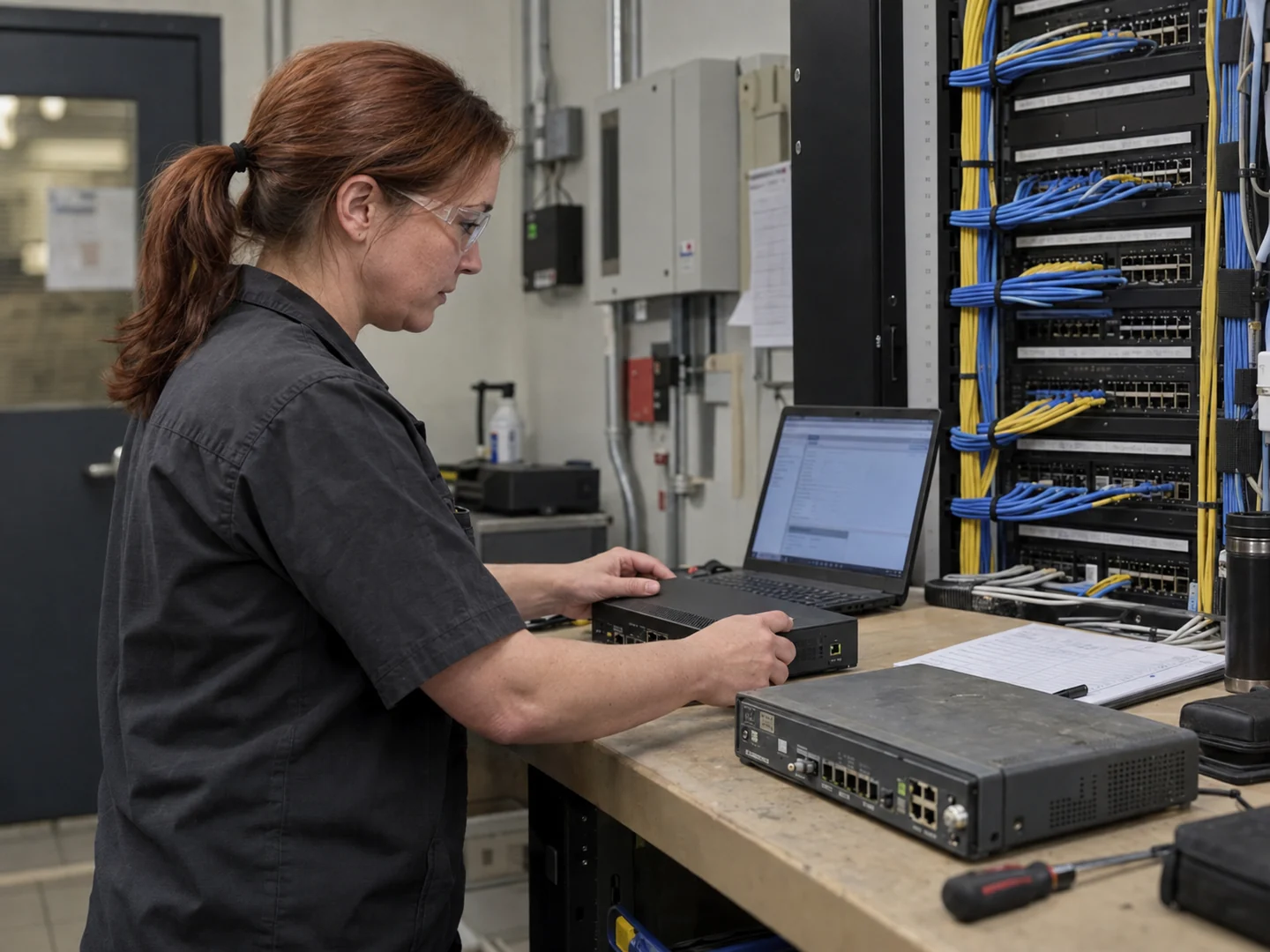
Discontinued parts, unsupported software, controllers nobody can program, and a system one failure away from a full outage.
Emergency replacement costs more, skips due diligence, and lands outside the reserve-fund plan. Boards and CFOs hate surprises more than they hate spending.
Assess and document what exists, rank risk by failure impact, then phase upgrades across budget years. Reuse cabling and hardware where it's sound; replace where it isn't. Every phase leaves the building fully operational.
- System condition assessment and asset inventory
- Migration paths for legacy access and video platforms
- Lifecycle forecasting and budget support
SOL-06 · Emergency & security upgrades
After an incident, speed matters. So does not repeating it.
A break-in, a failed system, or an insurance directive compresses your timeline. REM mobilizes quickly without skipping the design discipline that prevents the next incident.
An urgent gap: a breached entry, a dead panel, a failed camera system, or a new requirement from your insurer or corporate security.
Immediate triage and interim protection, then a corrective design that addresses the root cause. You get an incident-driven upgrade that still arrives with documentation, commissioning records, and a maintenance path.
Not sure which outcome fits? Start with the assessment.
One site visit documents what you have, what's at risk, and what order to fix it in. The report is yours either way.